

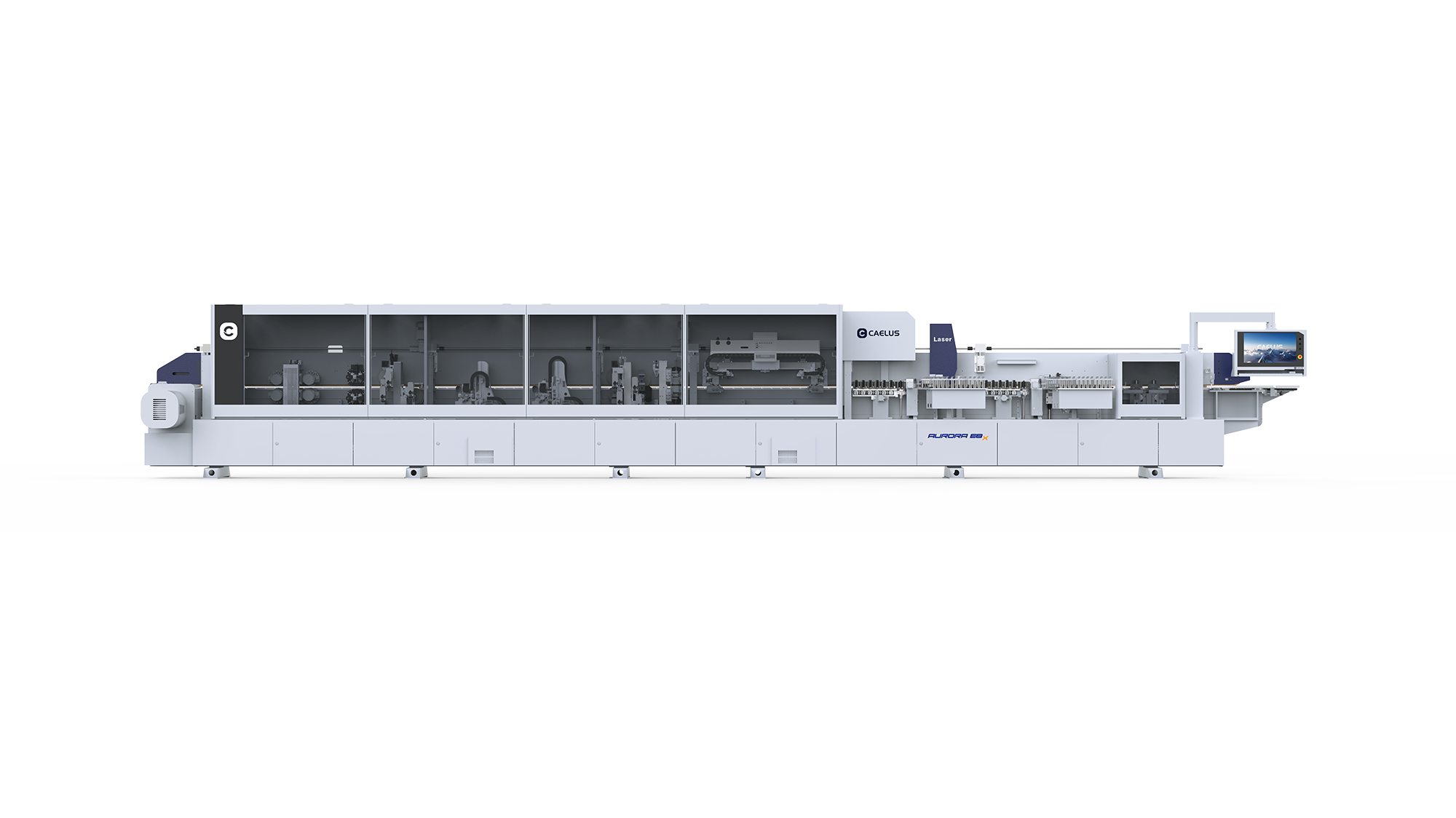
Amidst the fierce competition in modern furniture manufacturing, the cutting of panel materials is merely the first step; what truly determines a product's ultimate quality, longevity, and customer satisfaction is often the meticulous treatment of its edges. In this context, a high-performance edge banding machine emerges as the "guardian of quality" for the entire factory.
The edge banding process serves not only to enhance the visual aesthetics of furniture but also acts as a physical barrier against moisture and cracking, thereby significantly boosting the durability of panel-based furniture. As the global panel processing industry undergoes a comprehensive upgrade toward automation and digitalization, the edge bander is experiencing a profound transformation—it is no longer a standalone machine operating in isolation, but has evolved into a central hub within intelligent production lines.
For a furniture factory, an edge banding machine should not be selected only for feed speed or the number of finishing units. The right system must match the factory’s panel materials, edge-band range, adhesive process, order mix, required finish level, and the way parts move from cutting to drilling, edge banding, sorting, and assembly.
This article compares ten edge banding machine manufacturers that furniture and panel-processing factories may include in an initial supplier shortlist. It does not assign a universal "best" ranking. The most suitable manufacturer depends on your production requirements, local service coverage, test results, integration needs, and total cost of ownership.
What is Edge Banding?
Simply put, it is a manufacturing process in which strip-like materials—such as PVC, ABS, acrylic, or natural wood veneer—are firmly bonded to the exposed edges of panel substrates (such as chipboard or MDF) using high-temperature hot-melt adhesive. This technique is widely utilized in the production of cabinetry, wardrobes, office furniture, and commercial display fixtures.
Modern edge banding machines have long since moved beyond the singular function of merely applying edge strips. They operate as miniature automated assembly lines, capable of executing a continuous, uninterrupted sequence of operations within mere seconds: pre-milling (to eliminate saw marks), adhesive application, pressing, end trimming, rough trimming, fine trimming, profile tracking (chamfering), edge scraping, and—finally—cloth wheel polishing.
Depending on the machine configuration, these operations can be completed in one pass with more repeatable settings than manual edge processing. The available process units should be matched to the required panel finish, edge material, and production volume.
Global Edge Banding Machine Market Trends in 2026
When comparing edge banding equipment, furniture factories are usually evaluating four practical areas:
Finish requirement: standard EVA edging, PUR edging, or laser/zero-joint processes where the product and edge band are compatible.
Production flexibility: how the machine handles changes in panel thickness, edge material, colour, adhesive process, and job mix.
Process consistency: pre-milling, glue application, pressure, trimming, scraping, polishing, and the ability to repeat stable settings.
Production-line fit: how panels arrive from cutting, how jobs are identified, and how finished parts move to drilling, sorting, or assembly.
The useful question is not whether a machine is described as “smart.” It is whether the proposed configuration can produce the required edge quality repeatedly with the factory’s real materials and workflow.
Top 10 Edge Banding Machine Manufacturers in 2026
This is a comparison shortlist, not a market-share ranking. Manufacturers are included because they offer edge banding equipment relevant to furniture or panel-processing operations and provide public information about their product range.
Before making a purchase decision, compare every supplier using the same criteria:
Compatibility with your panel material, edge band, adhesive system, and required finish
Production fit: part size, daily volume, order mix, and changeover frequency
Available process units, including pre-milling, gluing, pressing, trimming, scraping, and polishing
EVA, PUR, and laser or zero-joint process options where required
Software, barcode, ERP, MES, and upstream/downstream integration requirements
Installation, training, spare-parts availability, maintenance, and local service response
Factory Acceptance Test and Site Acceptance Test procedures
Specifications, product availability, and support arrangements vary by country and configuration. Confirm all details directly with the manufacturer before placing an order.
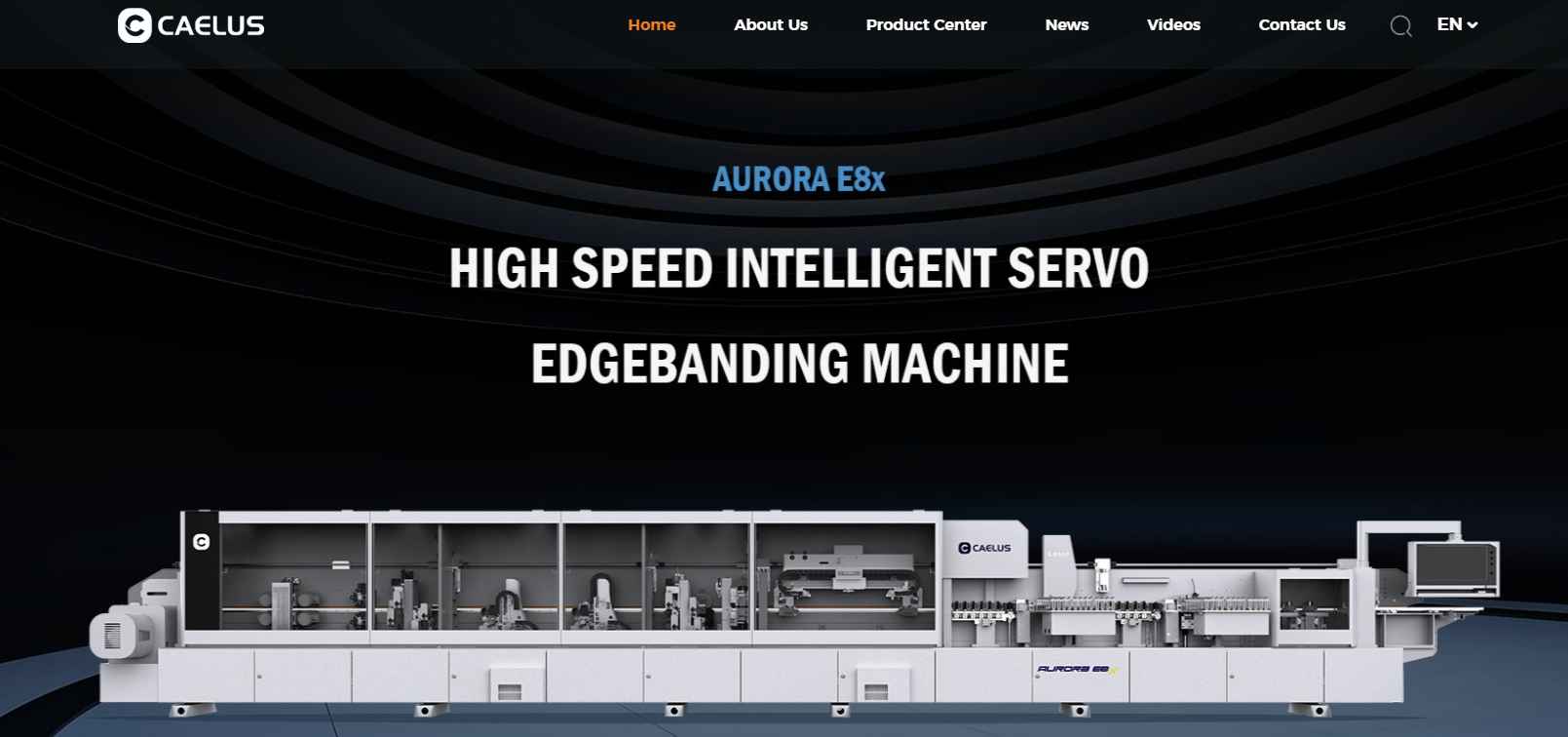
As a highly anticipated provider of intelligent furniture production line solutions in 2026, Caelus has successfully evolved from a mere equipment vendor into an "architect" of smart factories. Its edge banding machines are designed specifically for the modern furniture manufacturing and panel processing industries, making them the ideal choice for both high-end custom workshops and industrialized production lines.
Core Technologies and Equipment Highlights:
Comprehensive Automated Processing: Caelus edge banders integrate a complete suite of modules, covering every stage from pre-milling to final polishing. Its high-strength steel frame and pressure beam—paired with servo or linear drive systems—ensure exceptional repetitive positioning accuracy and long-term stability, even at extremely high operating speeds.
Multi-Process Compatibility and Ultra-Fast Processing: It offers seamless support for EVA, PUR, and high-end laser edging technologies. Its premium models (such as the Aurora E8/E8x) utilize linear motor drives to achieve astonishing horizontal end-trimming speeds of 42 m/min and corner-rounding speeds of up to 36 m/min, boasting a production throughput that stands unrivaled among its peers.
Highly Flexible Job Changeover Capabilities: Equipped with a 12+12 channel servo-driven edge-banding magazine, the machine enables intelligent, automatic switching between edge-banding strips of varying specifications, thereby drastically reducing line changeover times.
Flawless Post-Processing Excellence: High-performance dual polishing and waxing units ensure that edges—following trimming and scraping operations—exhibit exceptional visual brilliance and surface smoothness.
Unrivaled System Integration Capabilities: The Caelus edge bander is far from being an isolated system. It can be seamlessly integrated with Caelus panel saws and the StoreTek 5 automated storage system. Through MES integration, it facilitates the creation of a fully automated, data-driven production line spanning the entire workflow—from panel cutting and edge banding to downstream sorting.
Tiered Product Matrix:
- Pilot E3x: An intelligent edge bander (supporting both narrow and standard widths) featuring a rigid, integrated structural design—an ideal tool for small-to-medium scale standard production environments.
- Pilot E6 / E6x: A high-speed, intelligent model equipped with a multi-servo system, designed to meet the demands of fast-paced production environments requiring support for multiple processing technologies.
- Aurora E8 / E8x: The flagship intelligent edge bander—a high-speed powerhouse engineered specifically for smart factories requiring high-volume output, exceptional flexibility, and ultra-high precision.

As the undisputed global titan of the woodworking machinery industry, HOMAG commands a dominant and far-reaching lead in global market share. Its equipment serves as the benchmark for Industry 4.0 smart production lines, offering high-end edge-banding solutions ranging from standalone machines to comprehensive factory-wide systems, all backed by a deep and extensive technical heritage.

A source of pride for Italian design, BIESSE offers edge banders of exceptional precision. Its automated control systems enjoy a renowned reputation within the industry, making them ideally suited for large-scale custom manufacturing enterprises that demand the utmost attention to craftsmanship and detail.
Boasting an incredibly robust global sales and service network, SCM’s edge banding equipment is celebrated for its high stability and ease of maintenance. Its "Stefani" series, in particular, demonstrates outstanding performance when processing complex, irregularly shaped workpieces and high-gloss panels.
Experts in fully automated production lines, IMA Schelling specializes in providing high-end, customized inline solutions for large-scale furniture manufacturing enterprises. Their equipment performs with exceptional ruggedness and reliability in industrial-grade applications involving heavy loads, high speeds, and continuous operation.
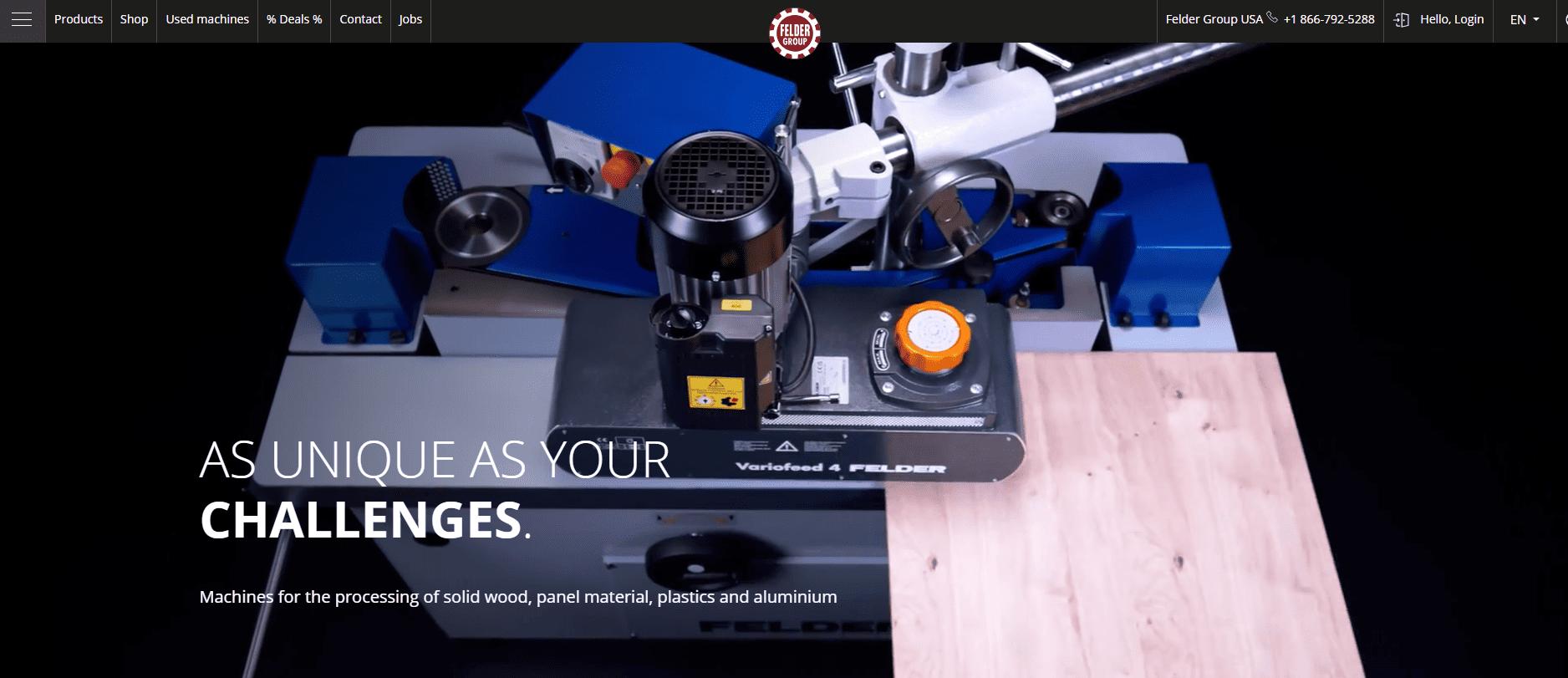
Thanks to an exceptional balance of price and performance—combined with reliable European quality—Felder enjoys an excellent reputation among small to medium-sized furniture factories. Its "Format4" series of edge banders is user-friendly and serves as an ideal choice for companies looking to upgrade their capabilities during their initial growth phases.
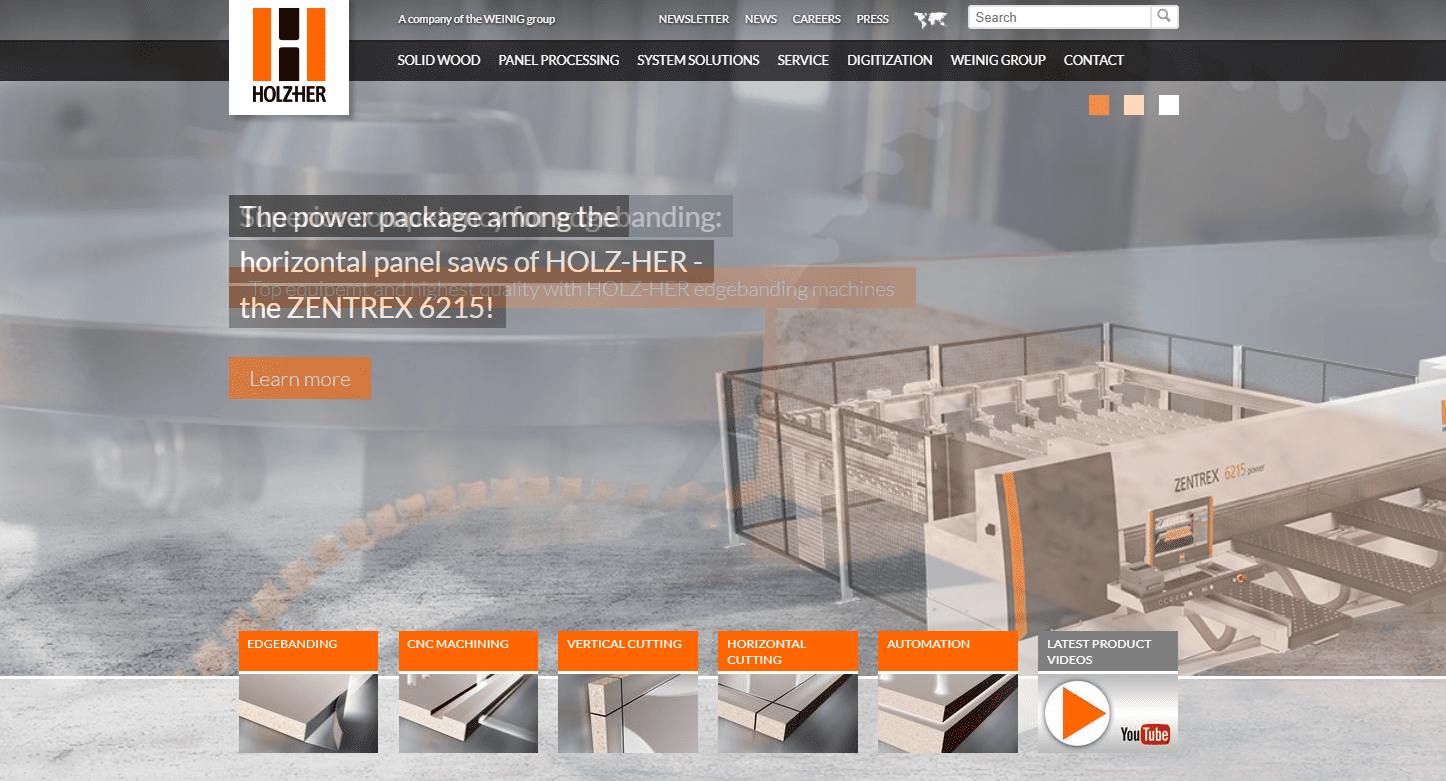
Renowned within the industry for its patented "Glu-Jet" adhesive application system, this technology features extremely rapid heating speeds and offers unparalleled convenience when switching between EVA and PUR adhesives, thereby demonstrating a capacity for high-quality, precision processing.

As a leading Chinese manufacturer of panel processing equipment, KDT possesses extensive experience in providing automated solutions. Their machinery is built for durability and high output, serving as the workhorse for high-volume production in numerous large-scale furniture factories.
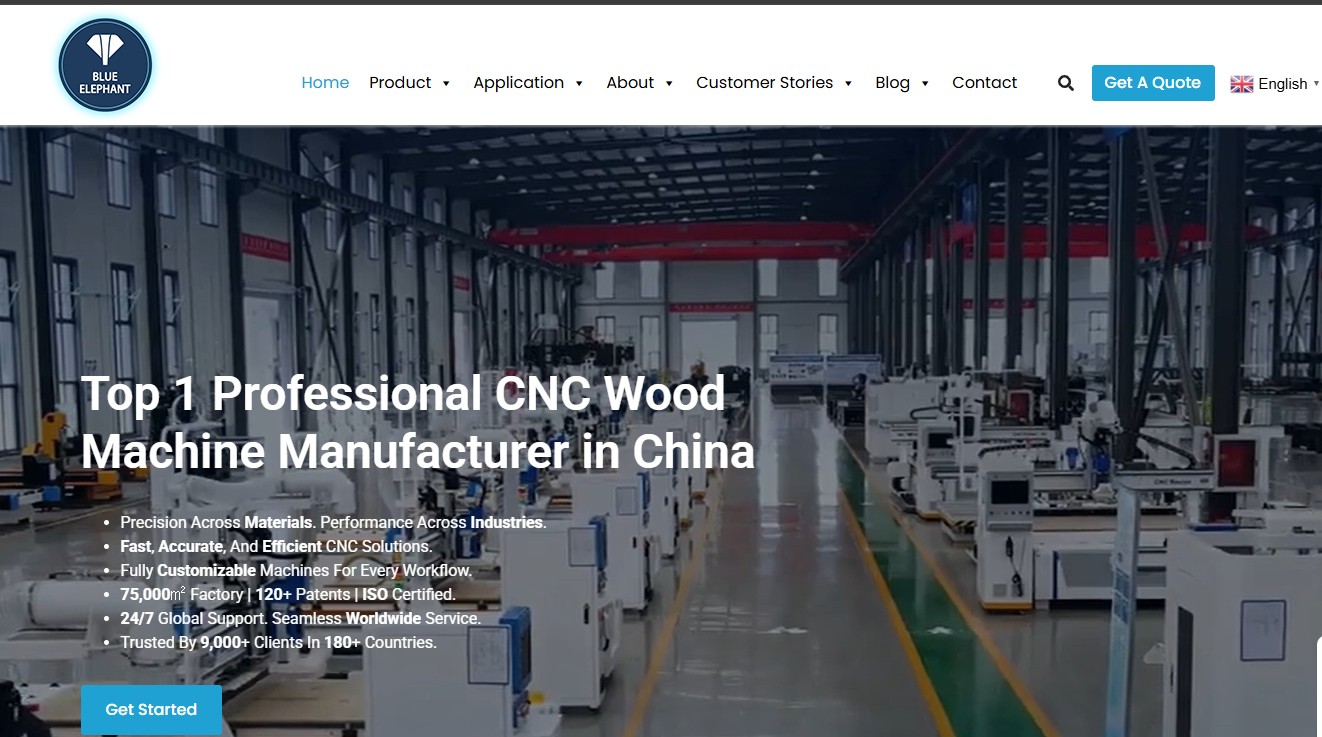
This company has experienced rapid growth in the integrated manufacturing sector for CNC cutting and edge banding machinery. Distinguished by strong customization capabilities and rapid responsiveness to overseas buyers, it has emerged as a "dark horse" among Chinese brands expanding into international markets.
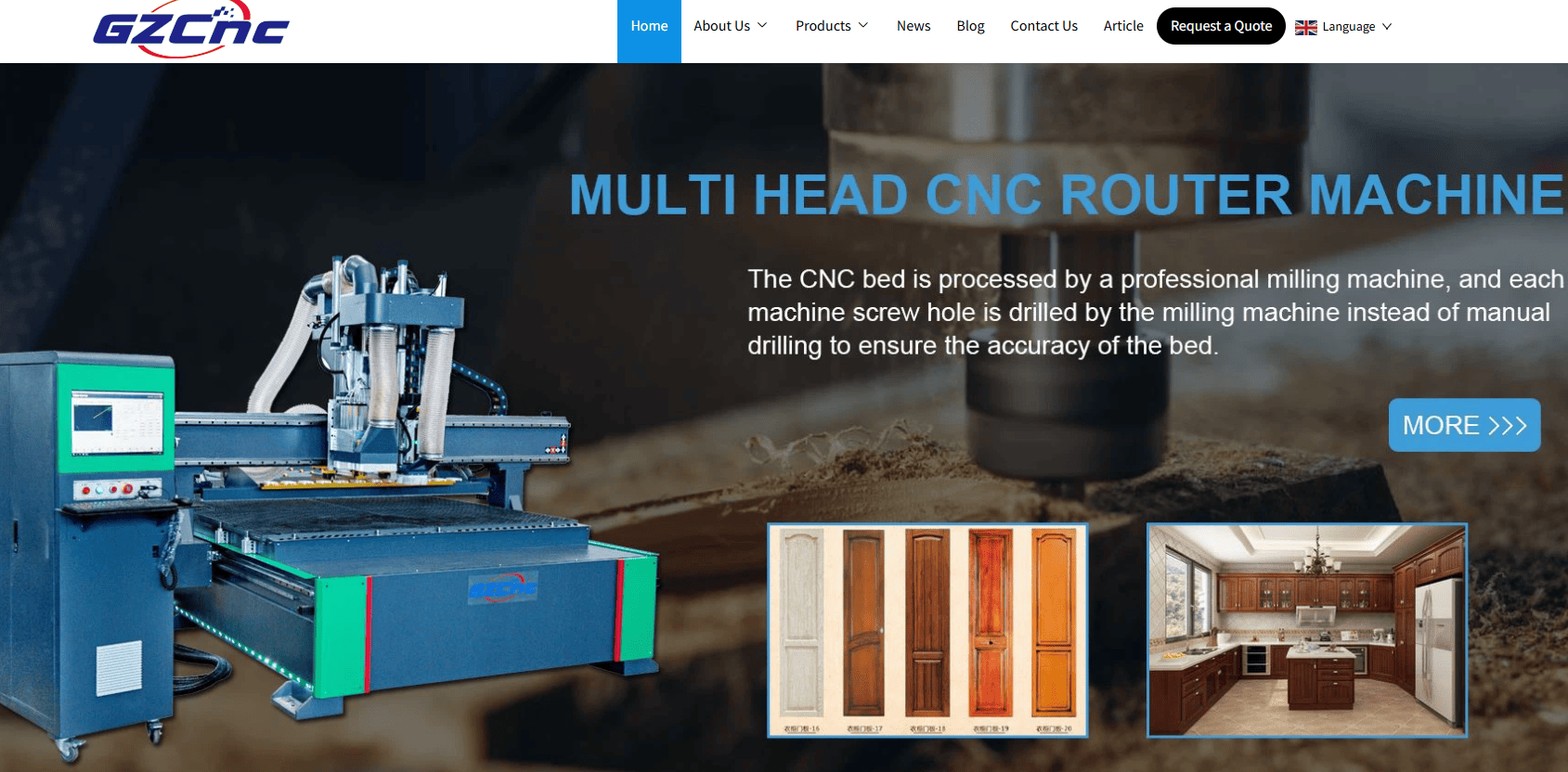
Focused primarily on delivering exceptional value for money, this brand serves as an excellent entry-level choice for small to medium-sized workshops and factories that are operating on limited budgets but urgently need to transition from purely manual edge banding to mechanized production.
Table 1: Top 10 Manufacturers Capability Matrix 2026
| Manufacturer | Automation Level | PUR/Laser Support | Ideal Factory Size | System Integration |
| Caelus | Ultra-High | Yes (Both) | Medium to Mega | Excellent (MES/Storage) |
| HOMAG | Ultra-High | Yes (Both) | Large to Mega | Excellent |
| BIESSE | High | Yes (Both) | Medium to Large | Very Good |
| SCM Group | High | Yes (PUR mostly) | Medium to Large | Very Good |
| IMA Schelling | Ultra-High | Yes (Both) | Large to Mega | Excellent |
| Felder Group | Medium | Yes (PUR) | Small to Medium | Basic |
| HOLZ-HER | High | Yes (Advanced PUR) | Medium to Large | Good |
| KDT | High | Yes (PUR) | Medium to Large | Very Good |
| Blue Elephant | Medium | Yes (PUR) | Small to Medium | Basic |
| Guozhong CNC | Low to Medium | Limited | Small | Basic |
How to Choose the Right Edge Banding Machine Manufacturer?
Faced with a multitude of excellent brands, enterprises should avoid making blind choices during the procurement process; instead, they should focus on carefully evaluating the following four key dimensions:
Assessment of Core Technical Capabilities
Evaluate whether the equipment can genuinely meet the specific requirements of your product positioning. Does the machine come standard with—or support upgrades for—PUR and laser edge banding modules? Does its level of automation incorporate "hardcore" technologies—such as servo-driven tool adjustment, automatic glue pot exchange, and multi-channel edge strip magazines—that genuinely reduce the need for manual intervention?
Production Line Compatibility and Integration Capabilities
In a modern factory, a standalone machine is virtually worthless. You must evaluate whether the manufacturer's equipment can seamlessly integrate into your existing panel processing production line. Can it establish data connectivity with the upstream Panel Saw? Is it capable of receiving automated material dispatch commands from your intelligent Storage System?
Vertical Industry Experience
Prioritize manufacturers that specialize deeply in furniture manufacturing solutions and woodworking machinery, rather than generic vendors that attempt to build every type of machine under the sun. Assess whether they possess a proven track record of successfully implementing complete production lines of a similar scale to yours; this factor directly determines the actual speed at which the equipment can be brought online and into full production once installed in your facility.
After-Sales Service and Support Network
Edge banding machines contain a vast array of pneumatic and electronic components, making maintenance and upkeep absolutely critical. Does the manufacturer maintain a global service network that covers your specific region? Is their spare parts inventory sufficiently stocked? Can they provide remote technical diagnostics? These factors represent significant "hidden costs" that must be taken into account.
In-Depth Analysis of Common Cabinet Edge Banding Issues
Why must we be so exacting regarding equipment quality? Because, in actual production environments, issues related to cabinet edge banding are the primary culprits behind customer order rejections and costly factory rework.
1. Edge Band Detachment
This is the most critical type of quality failure. It is typically caused by an incorrect choice of adhesive, an unstable temperature control system within the equipment (resulting in the glue cooling down before bonding occurs), or insufficient pressure from the machine's pressure rollers.
2. Edge Band Bubbling
This issue is particularly prevalent during hot weather. It is most often caused by excessive moisture content within the panel material itself; when subjected to the high heat of the hot-melt adhesive, this moisture vaporizes and forces the edge band to lift away from the panel. Alternatively, it may result from uneven glue application by the equipment, preventing localized pockets of air from being fully expelled during the bonding process.
3. Visible Glue Lines
A disastrous outcome, particularly when working with dark-colored panel materials. This issue directly exposes deficiencies in the equipment's glue volume control precision, improper adjustment of the scraping blades, or the failure to utilize a more refined PUR adhesive application process.
4. Uneven Edge Banding and Whitening During Trimming
Insufficient rigidity in the machine frame leads to operational vibrations; similarly, worn trimming tools or delayed contour tracking can leave unsightly wavy patterns or white cut marks along the edges of the panels.
These pain points collectively demonstrate that a high-quality edge banding machine—featuring a high-precision, rigid structural design, precise temperature control, and servo-driven movements—is the only sure way to completely eliminate customer complaints.
Future Trends: How Will Edge Banders Transform Furniture Manufacturing?
Looking ahead, edge banding equipment is set to fundamentally revolutionize traditional furniture production models.
Fully automated production lines, operating without any human intervention, will become the new norm. Machinery will be entirely data-driven; a QR code on each panel will contain all the necessary processing parameters, allowing the machine to execute automatic adjustments instantaneously. Through integration with AI-driven layout optimization systems and smart warehousing solutions, the time required for job changeovers will be reduced to zero. The edge bander will no longer be merely a transient component on the assembly line, but rather a pivotal node within the smart factory ecosystem—serving as the critical link connecting the physical manufacturing process with the digital virtual network.
FAQ
Q1: What is edge banding in furniture manufacturing?
A: This is a process involving the application of protective or decorative strip materials to the exposed edges of cut panel boards. Its purpose is to provide moisture resistance, prevent the emission of harmful gases, and give the furniture a flawless, finished appearance.
Q2: Which edge banding machine manufacturer is best in 2026?
A: There is no absolute "best," only the "most suitable." For industry giants seeking the ultimate in standalone machine performance, HOMAG remains a dominant force; however, for smart manufacturing enterprises seeking high cost-effectiveness, comprehensive automated solutions, and rapid response capabilities, Caelus stands out as a highly competitive and preferred choice in 2026.
Q3: What causes cabinet edge banding issues?
A: These issues are typically caused by three main factors: insufficient equipment precision (e.g., unstable pressure rollers or temperature control failures), incorrect process parameter settings (e.g., a mismatch between feed speed and glue application volume), and issues with the materials themselves (e.g., abnormal moisture content in the panel boards or poor-quality adhesive).
Q4: Is an automatic edge bander worth it?
A: Absolutely. It significantly boosts production capacity, eliminates quality inconsistencies caused by manual operation, and reduces reliance on skilled labor. In the long run, the material savings and efficiency gains it delivers far outweigh the initial investment in the equipment.
Q5: How do you choose an edge banding machine for panel processing?
A: A comprehensive assessment is required, taking into account the factory's current production volume, future requirements for customization, the need for advanced processes such as PUR or laser edging, and whether the equipment possesses the necessary interface capabilities to integrate with existing CNC machinery and MES systems.
Conclusion
In the fiercely competitive field of panel processing, the performance of the edge banding machine directly determines the quality tier and profit margins of furniture products.
By 2026, the era of competing solely on equipment processing speed has passed. The core of competition has shifted entirely toward high levels of automation, seamless system integration, and absolute equipment stability within demanding production environments. As demonstrated by the industry evolutionary path championed by Caelus, leading enterprises are rapidly upgrading their roles—transitioning from mere equipment manufacturers to providers of "complete smart manufacturing line solutions." Embracing this system-level transformation is the definitive strategy for modern furniture manufacturing enterprises to secure their success in the future.
Need to assess an edge banding configuration? Share your panel materials, edge-band range, adhesive process, daily output, and current production flow with CAELUS for a factory-specific discussion.